QR Code Menus vs. Tablet Menus: Which is Right for Your Restaurant?
Navigating the transition to a digital restaurant menu? Discover whether a BYOD QR setup or dedicated table tablets make the most sense for your brand and budget.
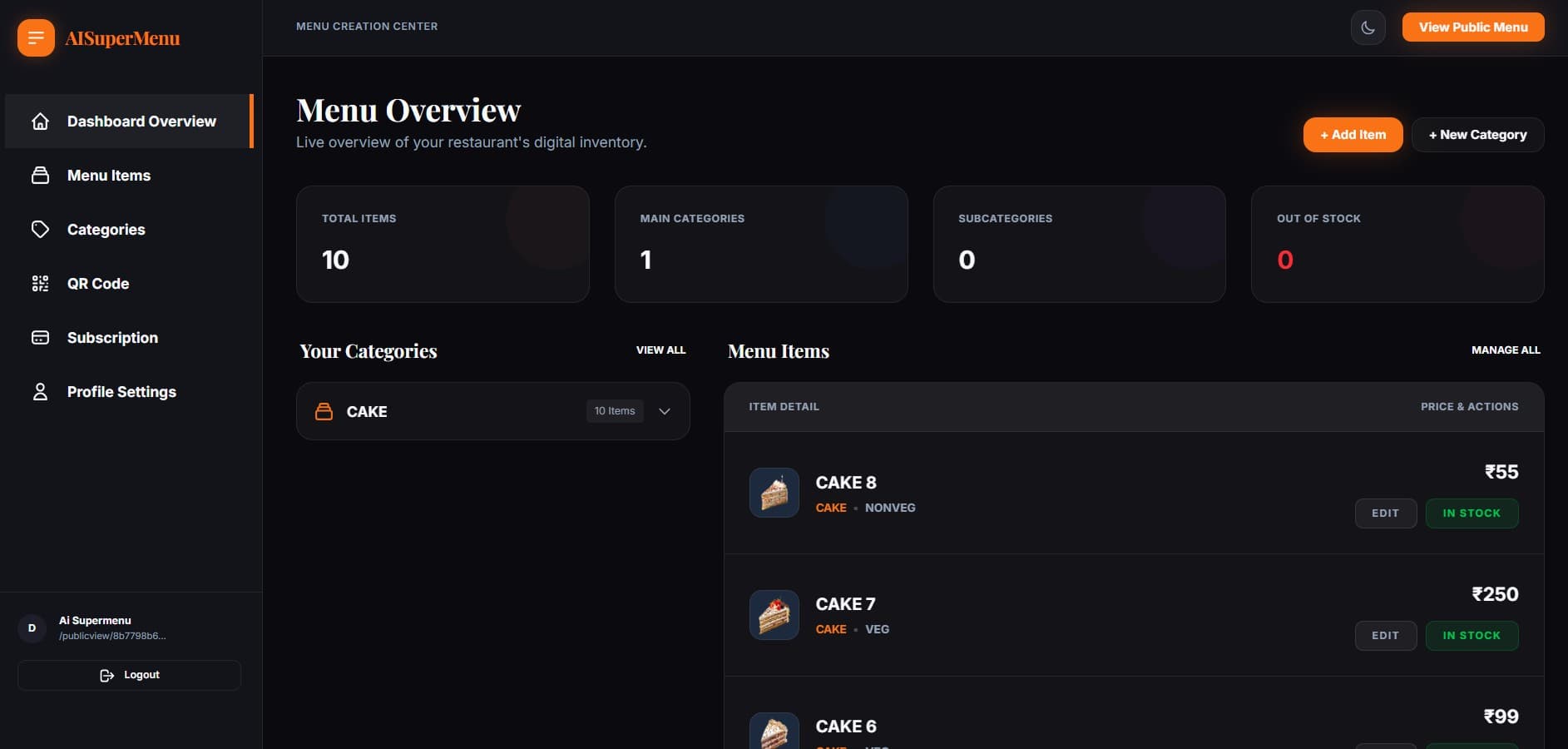
The Evolution of the Restaurant Menu
Replacing the traditional, sticky paper menu with a **digital menu for restaurants** is no longer a futuristic concept—it is the baseline expectation. But once you decide to digitize, you face a critical fork in the road: do you rely on the guest's smartphone (QR Codes) or do you provide the hardware (Tablets)?
Option 1: The QR Code Menu (Bring Your Own Device)
A QR code menu allows guests to scan a small code on their table to pull up a **digital menu card** right on their smartphone browser. Many businesses start here using a **free digital menu for restaurants** setup or a low-cost SaaS subscription.
The Pros
- Low Cost: The **digital menu board price** is virtually zero for hardware.
- Hygiene: 100% contactless.
- Speed: Guests can browse before the server arrives.
- Easy Setup: Use a **digital menu for restaurants template** to launch in minutes.
The Cons
- Battery Life: Depends on the guest's phone battery.
- Screen Size: Smartphones are small, limiting the visual impact of high-res food photos.
- Distractions: Guests might check Instagram instead of ordering.
Option 2: Tablet Menus for Restaurants
**Tablet menus for restaurants** involve bolting or handing a dedicated iPad or Android **digital menu tablet** to the guest at the table. This is highly popular in luxury hospitality, steakhouses, and high-end sushi bars.
The Pros
- Premium Feel: Elevates the perceived value of the restaurant.
- Bigger Canvas: A massive screen serves as a mini **digital menu display board** for immersive video and photos.
- Focus: A locked-down tablet keeps guests focused purely on ordering and upselling.
The Cons
- High Upfront Cost: Hardware, charging docks, and theft-prevention cases add up.
- Maintenance: Staff must wipe them down and ensure they are charged daily.
- Breakage: Dropped tablets are expensive to replace.
What About Hybrid Solutions? (The "Omnichannel" Approach)
The **best digital menu for restaurants** doesn't force you into just one box. Forward-thinking owners are using a hybrid approach. For example, a **digital menu board for cafe** environments might have a large **digital menu screen** above the register for fast-casual ordering, while also having QR codes printed on the tables for seated guests.
Furthermore, platforms built for global scale (like a **digital menu for restaurants India**) need to seamlessly format data for *both* a guest's mobile phone and a 10-inch table tablet from the exact same backend database.
Why Ai Supermenu Wins the Debate
Whether you want to print QR codes or mount 50 tablets, Ai Supermenu's responsive web technology adapts flawlessly to any screen size.
Frequently Asked Questions
What is the difference in digital menu board price between QR and tablet systems?
A QR system requires almost zero upfront hardware cost. Tablet menus require purchasing hardware for each table, significantly increasing the initial investment but offering a more controlled premium experience.
Are tablet menus for restaurants better for older guests?
Yes, a dedicated **digital menu tablet** often has a larger screen and a simplified interface that doesn't require guests to understand how to open a camera app and scan a QR code.